< img height="1" width="1" style="display:none" src="https://www.facebook.com/tr?id=715240178203482&ev=PageView&noscript=1" /> Hot Sale Excavator Bottom Roller,Hydraulic Breaker Parts Bulk - kasupart.com
内页banner

Blog

Home

Blog

  • Selecting Suitable Track Roller Materials and Designs Based on Excavator Operating Conditions
    Selecting Suitable Track Roller Materials and Designs Based on Excavator Operating Conditions Sep 01, 2024
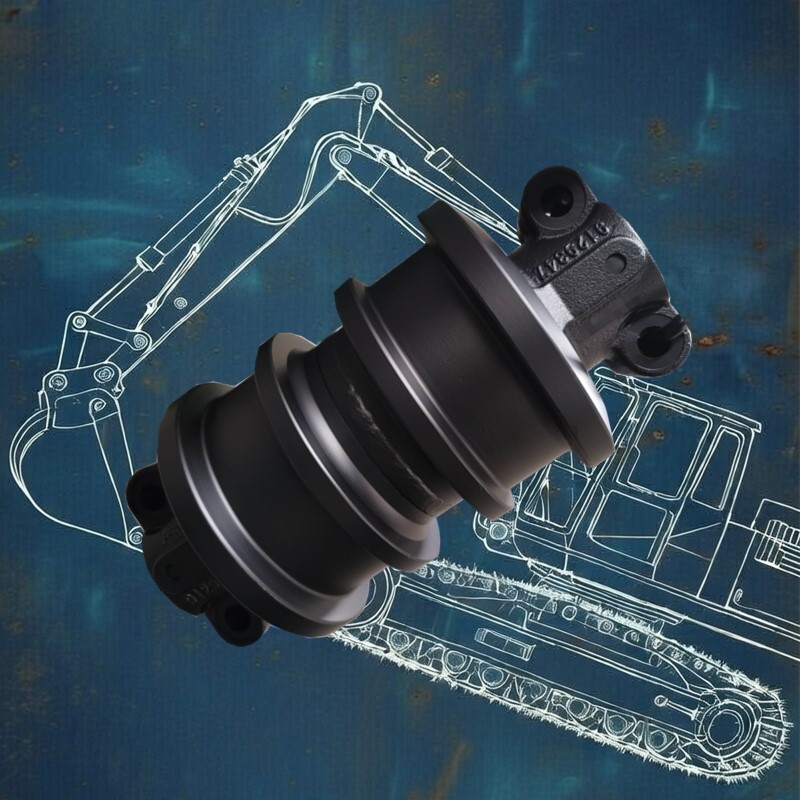
    To choose the appropriate track roller materials and designs based on excavator operating conditions, it is essential to first consider the working environment and conditions of the excavator. The working environment typically includes various ground conditions, such as flat surfaces, uneven terrain, sandy soils, and mixed abrasive environments like ores. These conditions impose different requirements on the materials and designs of the track rollers. Material Selection: Wear Resistance: Excavators encounter various hard abrasive particles during operation, such as sand and ore, which can cause wear on the track rollers. Therefore, selecting materials with good wear resistance is crucial. For instance, high-hardness alloy materials or specially treated steels, such as carburized or quenched steels, can be considered. Impact Resistance: Excavators face various impacts during operation, such as those caused by uneven ground or falling objects. Thus, the materials for the track rollers need to possess excellent impact resistance. High-strength alloy steels or composite materials can be considered, as these materials can maintain structural integrity while withstanding impacts. Design Considerations: Structural Design: The structural design of the track rollers must take into account the working conditions of the excavator. For large excavators, which operate under more demanding conditions, the track rollers require a more robust structural design, such as reinforced wheel body structures and increased axle strength. Additionally, the welding structure of the track rollers should consider the impacts and alternating loads they will endure, employing more reliable welding methods and materials. Selecting suitable track roller materials and designs requires a comprehensive consideration of the excavator's working environment and conditions.
  • The different roles of the dozer carrier roller and dozer track roller in the dozer undercarriage parts system
    The different roles of the dozer carrier roller and dozer track roller in the dozer undercarriage parts system Sep 18, 2024
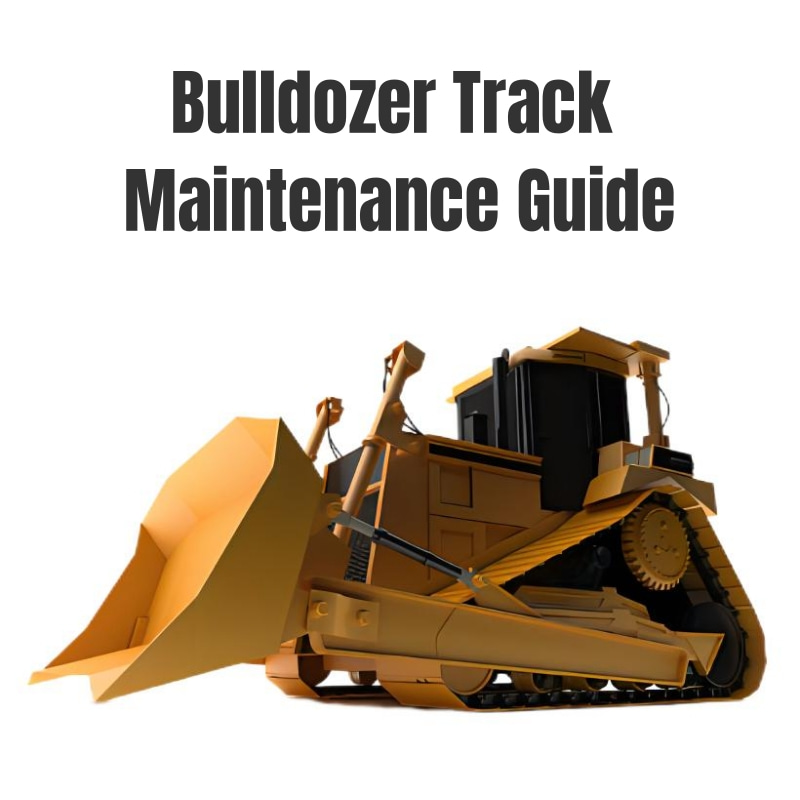
    In bulldozer undercarriage parts, the dozer carrier roller and dozer track roller play important but distinct roles. The primary function of the carrier roller is to support the upper portion of the track, preventing it from sagging and reducing vertical vibrations. The carrier roller also serves to limit the track's movement, preventing lateral sliding. Typically mounted above the track, the carrier roller uses a cantilever structure to provide support and protection for the track. On the other hand, the main function of the track roller is to bear the weight of the bulldozer and transfer that weight to the track, allowing it to move smoothly over the ground. Track rollers must withstand significant vertical loads, so they require high strength. They are generally designed with sliding bearings to reduce friction and enhance durability. Additionally, track rollers help minimize sinking when traversing wet or soft soil, thereby improving the stability and passability of the equipment. In summary, the carrier roller is primarily used to support and limit the vertical movement of the track, while the track roller is mainly responsible for bearing and distributing the weight of the bulldozer, ensuring the stability and durability of the track across various terrains. Although both are essential components of the chassis, they each fulfill different responsibilities and functions. The choice of materials for the bulldozer carrier roller and track roller significantly impacts their performance. Typically, these components are made from alloy steel, often incorporating wear-resistant materials, and are forged or cast to ensure their durability and wear resistance under high-load working conditions. For example, the materials for the carrier roller are generally 50Mn or 40Mn2, which undergo casting or forging and mechanical processing followed by heat treatment to enhance surface hardness and increase wear resistance. The design and materials of the track roller not only affect its lifespan and reliability but also directly influence the bulldozer's working efficiency and overall performance. Proper material selection can reduce friction, improve productivity, and minimize downtime. Furthermore, the quality parameters of the track roller, such as nominal diameter, width, material, weight, and pre-tension force, directly impact its lifespan, stability, and working efficiency. Therefore, selecting high-quality materials combined with advanced manufacturing processes is one of the key factors in ensuring the performance of the bulldozer carrier roller and track roller.
  • Understanding the Differences Between Lubricated and Dry Dozer Track Links Feb 07, 2025
    The oil chain and dry chain of dozer track links exhibit significant differences in construction, materials, manufacturing processes, and suitable applications. The specific comparisons are as follows: 1. Differences in Construction and Materials Lubrication System Design Oil Chain: Features a sealed structure that stores lubricating oil between the pin and bushing through sealing elements, reducing friction and isolating external contaminants (such as dirt and moisture). This design significantly extends the chain's lifespan, with wear typically beginning after 2,500 hours of operation. Dry Chain: Relies on external heavy grease lubrication, has poor sealing, and is prone to grease leakage, leading to accelerated wear. Its simple structure lacks long-lasting lubrication protection, requiring frequent maintenance. Materials and Manufacturing Processes Oil Chain: Typically made from high-strength alloy steel (such as 40Cr) and undergoes quenching or carburizing treatments to enhance surface hardness and wear resistance. The manufacturing process is complex, involving the installation of precision sealing components, resulting in higher costs. Dry Chain: The material may be slightly inferior to that of the oil chain (such as ordinary medium carbon steel) and does not require complex sealing processes, leading to lower production costs. However, due to insufficient lubrication, components need to be replaced more frequently. Note that the product materials of oil and dry chains may vary among different manufacturers and brands, and the heat treatment processes differ as well. It's advisable to consult in detail before purchasing. 2. Selection Recommendations for Different Working Conditions Suitable Scenarios for Oil Chains: High Load and Harsh Environments: Such as mining sites, construction areas, or humid and muddy working conditions. The sealing and continuous lubrication of oil chains effectively counter high wear and contamination, reducing maintenance frequency. Long-Term Usage Needs: If equipment requires continuous operation and maintenance costs are a concern, the long lifespan of oil chains (over 2,500 hours) can lower total costs. In remote areas where maintenance and repair costs are high, oil chains are the more suitable choice. Suitable Scenarios for Dry Chains: Short-Term or Low-Intensity Operations: Such as farmland renovation or short-term projects, where the initial cost is lower, making it suitable for budget-conscious users. Clean and Dry Environments: In conditions with minimal dirt and low corrosiveness, the flexibility and lower maintenance requirements of dry chains (requiring periodic grease application) can meet basic needs. 3. Comprehensive Selection Considerations Cost Balancing: Dry chains have a lower initial cost but require higher long-term maintenance and replacement frequency. Oil chains have a higher initial investment but lower overall lifespan and maintenance costs. Working Environment Assessment: If the environment is dusty, humid, or heavily loaded, leading to high maintenance and material costs, oil chains should be prioritized. Conversely, in dry, clean, and lightly loaded conditions, dry chains may be chosen. Equipment Compatibility: Some dozer models are specifically designed for oil chains, so it's essential to refer to the manufacturer's recommendations. By understanding these differences, you can make a more informed decision when optimizing dozer track links for your specific application.
  • Structural Differences of Track Rollers and the Characteristics of Different Designs
    Structural Differences of Track Rollers and the Characteristics of Different Designs Mar 16, 2026
    As a core supporting component of the undercarriage system, the quality of the Track Roller directly impacts the machine's operational efficiency and maintenance costs. In actual procurement, users often face a choice between Bearing Type and Sealed/Lubricated Type, or fail to distinguish between the two, falling into a price-only trap. To objectively evaluate a track roller's quality, one must consider three dimensions: internal structure, material selection, and manufacturing process.   I. Bearing Type vs. Lubricated Type: Structural Features and Application There is no absolute "better" or "worse" between the two structures; the key lies in whether they match the specific working conditions. Bearing Type Track Roller Structural Features: The internal rotation is supported by ball bearings or cylindrical roller bearings, lubricated with grease. Applicable Conditions: Suitable for flat ground and relatively dry workplaces, such as indoor demolition, urban road maintenance, or light agricultural machinery. Advantages & Limitations: Bearing types offer low starting resistance and lower initial procurement costs. Since they do not contain liquid gear oil, they are often marketed as "leak-proof." While this is a structural characteristic, it is important to note that if the external skeleton oil seal fails and allows sand or mud to enter, the internal bearings will wear and shatter rapidly.   2. Lubricated Type Track Roller (Sealed Type) Structural Features: It utilizes a sliding bearing (bronze bushing) combined with Dual-Cone Floating Seals, filled with heavy-duty gear oil. Applicable Conditions: Specifically designed for mining, wetlands, river dredging, and high-intensity infrastructure projects. Advantages & Limitations: The floating seals effectively isolate microscopic dust and moisture, providing superior sealing performance. The bronze bushing structure offers a high load-bearing capacity and strong impact resistance, making it a long-life, maintenance-free design. The primary drawback is the requirement for extremely high manufacturing precision, which increases costs. II. Deep Factors Determining Quality: Materials and Process Beyond visible structural differences, the inherent quality of a track roller depends on the rigor of metallurgy and heat treatment. 1. Material Selection High-quality track roller bodies are typically made of 40Mn, and the shafts are made of alloy structural steels such as 40Cr. These materials possess excellent hardenability and dense internal fiber structures, allowing them to withstand massive mechanical pressure without cracking. In contrast, low-end products often use ordinary carbon steel, which shows a significant gap in wear resistance and fatigue strength. 2. Heat Treatment (Induction Hardening) Heat treatment is the "lifeline" of a track roller’s service life. Hardness Depth: The tread and flange edges of high-quality rollers must undergo rigorous induction hardening to ensure a surface hardness of HRC 50-56. Core Toughness: The depth of the hardened layer must be controlled within a precise range to ensure extreme surface wear resistance while maintaining sufficient core toughness to buffer shock loads. 3. Precision Machining and Assembly The sealing performance of a lubricated track roller depends heavily on the mirror-grinding precision of the metal seal rings. If the contact surface is uneven or the clearance of the bronze bushing exceeds standards, leakage and abnormal noise will occur quickly, regardless of the material quality. III. Professional Procurement Advice Be Objective About "No Leakage": Bearing types do not leak oil simply because they contain no liquid oil, but this does not mean their sealing system is invincible. Focus on the seal material (e.g., Fluororubber) and the precision grade of the bearings. Reject Price-Only Decisions: Bearing quality varies significantly. The cost difference between premium bearings and inferior refurbished ones is reflected in the final price. For high-intensity operations, a low price often translates to higher downtime risks. Selection Based on Environment: Dry Work/Light Load: Premium Bearing Type rollers can effectively reduce initial investment. Mining/Wet/Heavy Load: One must choose Lubricated Type products manufactured with induction hardening and high-quality floating seals. Conclusion Track roller quality is a comprehensive engineering feat. Superior structural design must be paired with correct material selection and rigorous heat treatment to perform stably in complex construction environments. Understanding these core differences helps buyers select the most compatible parts based on actual working conditions, maximizing equipment efficiency.
  • Why High-Performance Seals Are Critical for Excavator Track Chains Life Aug 27, 2026
    The overall quality and service life of your excavator track chains often depend on one critical component: the internal track seal system. Inferior seals quickly fail under severe job site conditions, allowing abrasive sand and moisture to invade the pin-and-bushing joints. This leads to accelerated internal wear, pitch elongation, pin seizure, and unexpected track derailment—costing you unbudgeted downtime and high repair bills. Engineered with advanced sealing geometry, high-performance seals maintain an impenetrable defense against harsh contaminants while preserving internal lubrication. Protecting these core wear points eliminates premature chain stretch, prevents pin lockup, and extends your undercarriage replacement cycle by up to 30%. Watch our PC300-6 track chain assembly video below to see how we build superior, high-grade seals directly into the assembly process!
1 2 3 4
A total of4pages

Address : Building 17, Block 9, Section D, 27th Road, Chenghui International Hardware and Electrical City, Xiamei Town, Nan'an City, Quanzhou, Fujian Province

Tel : +86 -18850110101

Email : info@kthpart.com

WhatsApp : +86 -18850110101

Wechat : Wechat

Subscribe

Please read on, stay posted, subscribe, and we welcome you to tell us what you think.

Submit
facebook twitter youtube

Copyright © 2026 Quanzhou Futeng Machinery Engineering Co.,Ltd All Rights Reserved. Sitemap | Blog | Xml | Privacy Policy Network Supported

Leave A Message

Leave A Message
If you are interested in our products and want to know more details,please leave a message here,we will reply you as soon as we can.
Submit

Home

Products

whatsApp

contact

Start a Conversation

Hi! Click one of our members below to chat on