Dry vs. Lubricated: Choosing the Right Excavator Track Chains and Bulldozer Track Chains
Feb 02, 2026
1. Travel Frequency vs. Static Work Dynamics
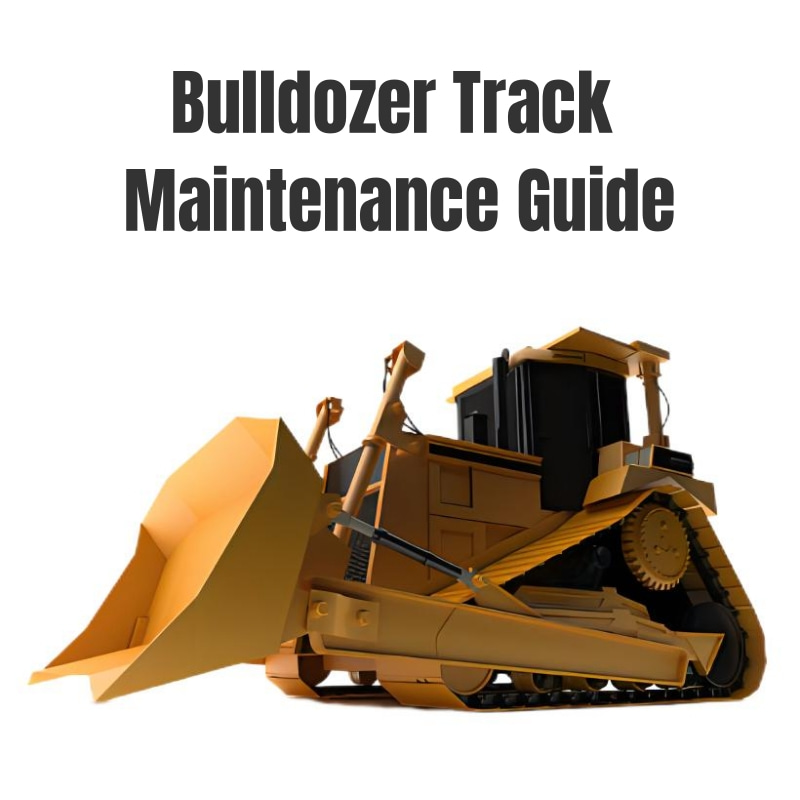
The fundamental difference lies in how these machines move. Bulldozer track chains are designed for high-frequency travel. Constant movement creates immense traction and friction between the track bush and track pin. In this scenario, lubricated track chains are essential; their internal oil film significantly reduces heat buildup, preventing track link elongation and deformation.
In contrast, an excavator spends roughly 90% of its operational time stationary. Because excavator track chains experience far less internal friction during a standard shift, the higher price tag of lubricated chains—despite their longer theoretical lifespan—offers a poor return on investment (ROI) for most digging applications.
2. The Impact of Hydraulic Breakers: High-Frequency Vibration
Mid-to-large machines (over 20 tons) are frequently equipped with hydraulic breakers for rock crushing or road demolition. This creates intense, high-frequency vibrations that travel through the undercarriage.
For lubricated track chains, these vibrations are a "silent killer," often causing the precision rubber seals to shift or fail, leading to critical oil leaks. Furthermore, master pin bolts are more prone to snapping under such vibration. Dry excavator track chains, featuring a simpler and more rugged construction, offer superior mechanical toughness and durability for these heavy-duty "breaking" tasks compared to delicate "oil chains."
3. Lateral Stress and Sealing Risks
Excavators often operate on uneven terrain, generating massive lateral (side) thrust. Lubricated track chains rely entirely on their seals to retain oil. Lateral loads can cause slight pin deflection, squeezing the seals and allowing oil to escape.
Once a seal fails, external grit and sand enter the link, mixing with residual oil to create an "abrasive paste." This accelerates wear much faster than standard metal-on-metal friction. Dry excavator track chains possess a "self-cleaning" property, making them far more reliable in the harsh, muddy, and watery environments typical of excavation sites.
4. Cost-Efficiency for Compact Excavators
The cost of lubricated chains is typically 30% higher than dry chains. For compact excavators (under 10 tons), the lighter machine weight exerts minimal crushing stress on the pins. Consequently, the lifespan of dry excavator track chains is more than sufficient for the machine's duty cycle. Even though mini-excavators travel more frequently and rarely use breakers, lubricated chains remain an unnecessary expense for this category.
Core Comparison Table: Dry Type vs. Lubricated Type
Comparison Factor
Dry Track Chains (Standard)
Lubricated Track Chains (SALT)
Best Fit
Excavator track chains (All Sizes)
Bulldozer track chains / Loaders
Operational Logic
High impact, heavy digging, breaking
Continuous travel, long-distance pushing
Vibration Resistance
Excellent; simple and rugged structure
Lower; seals prone to vibration damage
Internal Wear
Higher (Metal-on-metal friction)
Extremely Low (Oil film protection)
Total Cost
Economical; lower replacement costs
High; requires regular seal monitoring





 Network Supported
 English
 English
 Русский
 Español